
Russian Oil Exports Maintain Resilience Against International Sanctions Pressure
Despite mounting international sanctions targeting Russia’s energy sector, the nation’s crude oil shipments have demonstrated remarkable stability, according to recent analysis from Goldman Sachs. This persistence in export volumes reveals the complex dynamics of global energy markets and raises important questions about the effectiveness of economic pressure tactics.
The financial institution’s assessment suggests that Russia has successfully navigated around restrictive measures, maintaining substantial crude oil flows to international markets. This development is particularly significant given the strategic importance of energy exports to Russia’s economy and the West’s attempts to curtail these revenue streams.
Market Adaptation and Workaround Strategies
What strikes me most about this situation is how quickly global oil markets have adapted to sanctions regimes. Russia appears to have developed alternative trading networks and payment mechanisms that bypass traditional Western financial systems. This isn’t entirely surprising – when you’re dealing with a commodity as essential as crude oil, market forces tend to find ways around political obstacles.
The stability in export volumes demonstrates that sanctions, while economically disruptive, don’t necessarily achieve their intended goals of dramatically reducing targeted countries’ revenue streams. For policymakers in Washington and Brussels, this should serve as a sobering reminder that economic warfare requires more sophisticated approaches than simple trade restrictions.

Global Energy Market Implications
This development is particularly relevant for energy traders, commodity investors, and multinational corporations with exposure to oil markets. The continued flow of Russian crude suggests that global supply chains remain more resilient than many anticipated, which could influence pricing strategies and long-term supply agreements.
However, I believe this situation creates significant risks for smaller energy companies and emerging market economies. While large players can navigate complex sanctions landscapes, smaller firms may find themselves inadvertently violating restrictions or losing access to traditional financing mechanisms.
Winners and Losers in the New Energy Landscape
The beneficiaries of this situation are clear: countries and companies willing to maintain trade relationships with Russia despite sanctions pressure. These entities can potentially secure crude oil at discounted prices, providing competitive advantages in their domestic markets.
Conversely, European refineries and energy companies that have completely severed ties with Russian suppliers may find themselves at a disadvantage, facing higher input costs and supply chain disruptions. This creates an uneven playing field that could reshape global energy trade patterns for years to come.

From my perspective, the most concerning aspect is how this situation undermines the credibility of sanctions as a foreign policy tool. If major economies can maintain substantial trade flows despite comprehensive restrictions, it raises questions about the effectiveness of economic pressure in achieving geopolitical objectives.
Long-term Strategic Considerations
Looking ahead, I think this development signals a fundamental shift in how international trade operates under pressure. The emergence of alternative payment systems and trading networks suggests that the traditional Western-dominated financial architecture may be losing its monopolistic control over global commerce.
For investors and business leaders, this trend demands careful attention to regulatory compliance while also recognizing that market realities often diverge from political intentions. Companies that can navigate these complexities while maintaining ethical standards will likely emerge stronger in the evolving global economy.
The persistence of Russian oil exports despite sanctions ultimately reflects the inherent challenges of using economic tools to achieve political goals in an interconnected world. While sanctions may impose costs, they rarely deliver the decisive outcomes their architects envision.
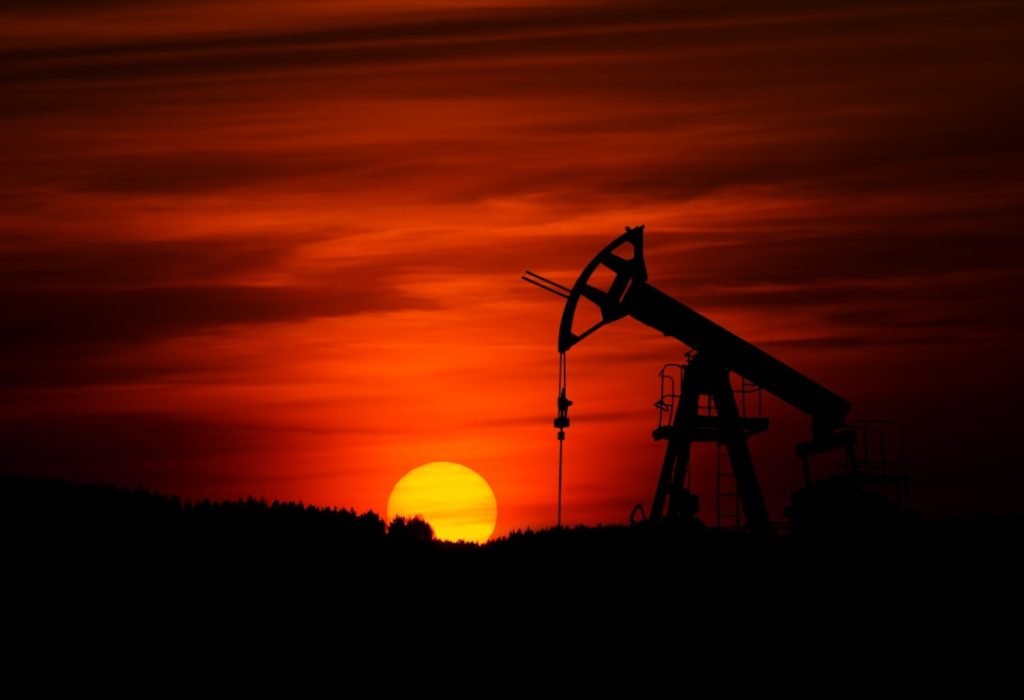
Photo by Zbynek Burival on Unsplash
Photo by Maria Lupan on Unsplash
Photo by David Thielen on Unsplash