
Formula 1’s Era of Mechanical Perfection Comes to an End as Reliability Issues Return
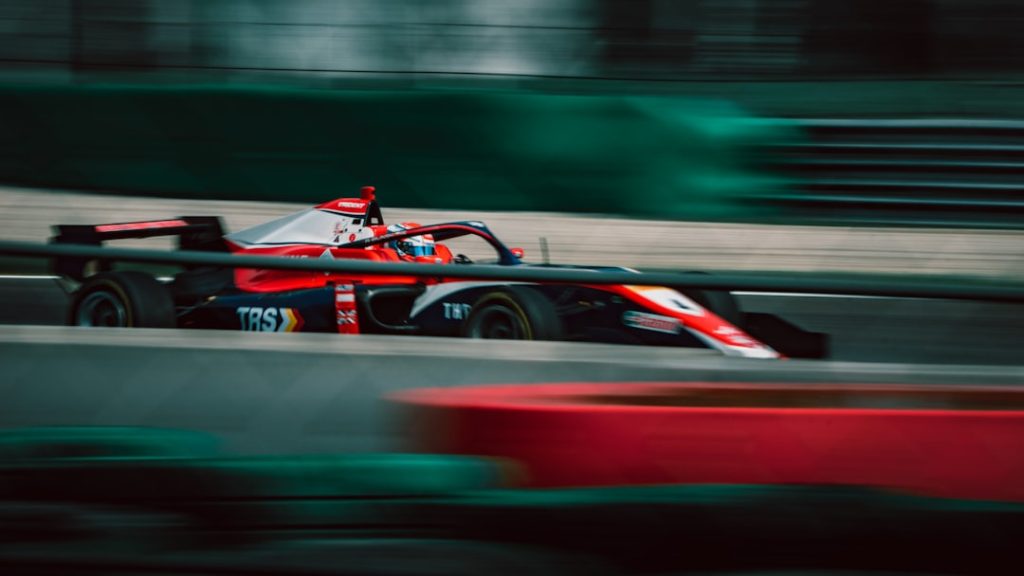
The 2026 Formula 1 season has delivered a harsh reminder that mechanical perfection cannot be taken for granted in motorsport’s premier championship. What we’re witnessing this year represents a fundamental shift from the unprecedented reliability we’ve grown accustomed to, and frankly, it’s about time.
The recent Canadian Grand Prix perfectly illustrated this new reality when George Russell’s Mercedes suffered a catastrophic battery failure while leading the race on lap 30. His visible frustration – throwing his safety equipment onto the track in disgust – captured what many drivers are experiencing as they grapple with the fragility of these new machines.
Why This Return to Unreliability Actually Makes Sense
I believe the current reliability struggles are not only understandable but perhaps even beneficial for the sport’s long-term health. The hybrid era from 2017 to 2025 created an artificial environment where mechanical failures became almost extinct. This wasn’t normal – it was an anomaly in Formula 1’s seven-decade history.
Consider the historical context: even during the 2000s, drivers faced roughly a 40 percent chance their car wouldn’t finish each race. The sport’s DNA has always included the element of mechanical uncertainty, making victories more precious and defeats more crushing. Those who romanticize the ‘good old days’ of Formula 1 should remember that reliability was never guaranteed.
The heartbreak of mechanical failure has produced some of motorsport’s most memorable moments. Felipe Massa’s engine explosion three laps from victory at the 2008 Hungarian Grand Prix, Mika Häkkinen’s hydraulic failure on the final lap in Spain 2001, and Damon Hill’s crushing defeat in Hungary 1997 when hydraulic problems robbed him of what would have been a career-defining victory with the struggling Arrows team.

The Technical Reality Behind Current Problems
The 2026 power units are genuinely revolutionary, despite superficial similarities to their predecessors. These aren’t minor evolutions but complete redesigns forced by new regulations. The shift from electronic MGU-H turbochargers to conventional systems, combined with energy limits replacing fuel flow restrictions, has created entirely new engineering challenges.
What’s particularly interesting is how the new 3,000 MJ/hour energy limit fundamentally changes race strategy. The enhanced MGU-K electric motor and lithium-ion battery systems deliver more power than before, but managing this energy throughout a race weekend adds layers of complexity that teams are still mastering.
The Political Engine Wars Continue
Beyond reliability concerns, Formula 1 faces a more troubling issue with its 2026 regulations. The current power distribution between the V6 engine and electric systems creates an absurd situation where drivers can’t simply push flat-out for an entire qualifying lap – something that should be fundamental to the sport’s appeal.
The proposed solution – adjusting the power split from 53:47 to 60:40 in favor of the combustion engine – has created a fascinating political battle among manufacturers. This isn’t just about performance; it’s about competitive positioning and corporate strategy.
Mercedes supports the change, as does Red Bull, which desperately needs to keep Max Verstappen engaged. However, Ferrari opposes it, calculating that the current Additional Development and Upgrade Opportunities (ADUO) system gives them a better path to catch up with Mercedes. It’s a classic case of short-term thinking potentially damaging the sport’s long-term health.

I find Ferrari’s position particularly shortsighted. While they may gain tactical advantages by maintaining the status quo, the broader implications – including potentially losing Verstappen from the sport – could damage Formula 1’s global appeal. Sometimes individual team interests conflict with what’s best for the championship as a whole.
Who Benefits from This Chaos?
Interestingly, the current reliability lottery particularly benefits drivers in midfield teams who can capitalize when frontrunners fail. It also rewards teams with superior reliability engineering – a skill that had almost become irrelevant during the ultra-reliable hybrid era.
For fans, this unpredictability makes races more engaging, though I understand the frustration of seeing deserving drivers robbed of victories. The sport needs to find balance between reliability and uncertainty.
Young drivers like Kimi Antonelli, who currently leads the championship after four consecutive wins, benefit most from this environment. His 43-point advantage over Russell might seem commanding, but as we learned from Oscar Piastri’s 2025 season collapse – where he squandered a 100-point lead to finish second – nothing is guaranteed in Formula 1.
As we head to Monaco, where the circuit’s characteristics should suit these smaller, more agile cars, the reliability question remains paramount. The principality’s tight confines and multiple braking zones might actually favor the new power units, but only if they can complete the distance without mechanical drama.
Photo by Isaac Maffeis on Unsplash
Photo by Clément Delacre on Unsplash
Photo by Abhinand Venugopal on Unsplash