
How a Major Rocket Failure Could Reshape America’s Space Launch Industry
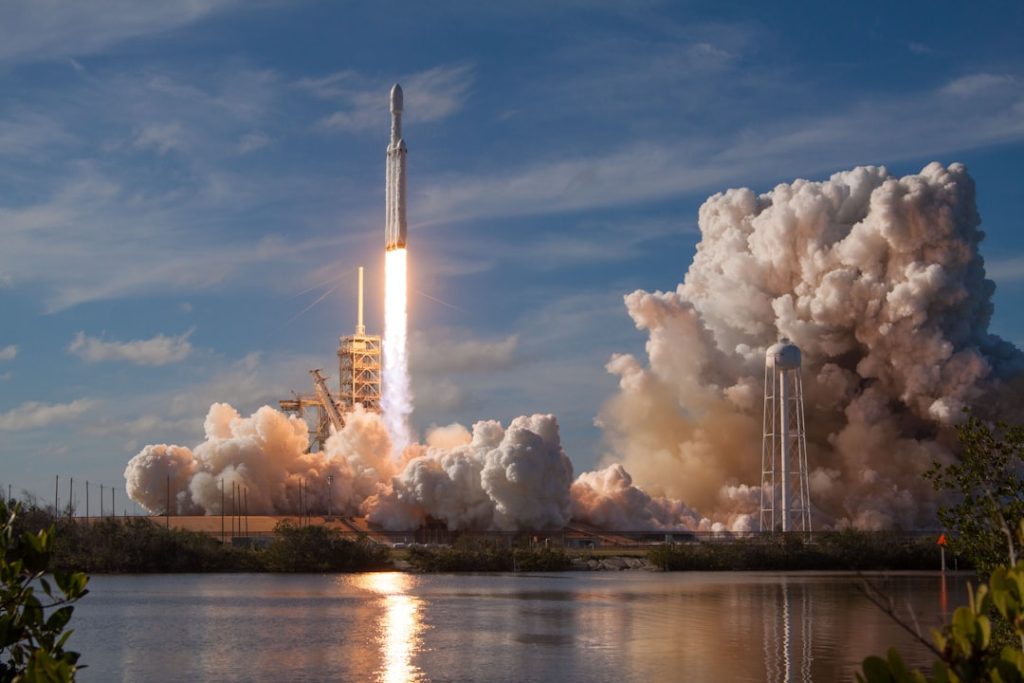
The recent catastrophic explosion of a next-generation heavy-lift rocket during ground testing has sent shockwaves through the aerospace industry, and frankly, this couldn’t have come at a worse time for American space ambitions. What we’re witnessing is a perfect storm that exposes just how fragile our launch infrastructure really is.
Infrastructure Devastation and Recovery Challenges
Let’s be clear about what happened here: this wasn’t just a rocket that blew up. The explosion obliterated years of careful engineering and hundreds of millions in investment. I think people underestimate how complex launch infrastructure truly is – those massive lightning towers and support systems aren’t something you can rebuild overnight with a Home Depot run.
The reality is that rebuilding will likely take 15 months minimum, and that’s being optimistic. This matters enormously because unlike some other space companies that have multiple facilities, this particular launch provider was essentially putting all their eggs in one basket. They have backup sites in development, but those are years away from completion.
For aerospace contractors and satellite operators who were counting on regular launches, this is a nightmare scenario. These aren’t the kind of delays you can easily absorb in project timelines.
The Maturity Problem
Here’s where I think the industry analysis gets interesting. This wasn’t some experimental prototype that exploded – this was a mature, proven design that had already demonstrated successful flights. That makes this failure far more concerning than the iterative testing explosions we’ve seen from other companies.
When a mature rocket system fails catastrophically, it suggests fundamental problems that could take years to fully understand and resolve. This is particularly troubling for the broader launch market, which was already heavily concentrated among just a few providers.

The timing couldn’t be worse. With another major American rocket also currently grounded due to technical issues, we’re looking at a scenario where the entire medium and heavy-lift launch capacity essentially rests with a single company. That’s not healthy for competition or national security.
Engine Concerns Across Multiple Programs
If early indications are correct that this failure originated with the rocket’s main engines, the implications extend far beyond just this one vehicle. The same engine technology powers other critical launch systems, potentially creating a cascading effect across multiple space programs.
Lunar Program Implications
This is where things get really problematic for NASA’s moon exploration plans. The cargo lander that was supposed to be launched by this rocket system was positioned as a cornerstone of early lunar base development. We’re talking about a vehicle capable of delivering 3 tons to the lunar surface – that’s serious capability that can’t be easily replaced.
NASA just awarded a $280 million contract for lunar rover delivery missions scheduled for 2028. Those missions are now in serious jeopardy. While other rockets theoretically have the lift capacity, the technical compatibility issues are significant, and the political reality of switching to a competitor makes this extremely unlikely.
I believe this puts NASA in an impossible position. They can either accept major delays to their lunar programs or restructure missions around capabilities they’re not sure will be ready in time.
Crew Mission Complications
The human spaceflight implications are perhaps the most serious. NASA has been planning missions that would see astronauts rendezvous with lunar landers in Earth orbit, with launches targeted for 2027. The agency was counting on having two different lander options available, but this explosion essentially eliminates one of them for the foreseeable future.

This forces NASA into an uncomfortable dependency on a single provider for critical mission capabilities. While that provider has shown impressive progress, betting everything on one system seems risky for such high-stakes missions.
Looking ahead to 2028 lunar landing missions, it’s hard to see how the affected lander system will be ready. Even if the hardware development continues, you need successful test flights before putting crew at risk, and those test flights are now indefinitely postponed.
Industry Concentration Risks
What concerns me most about this situation is how it highlights the dangerous concentration in America’s launch industry. When a single failure can effectively eliminate half of your heavy-lift capacity, you don’t have a robust, competitive market – you have a fragile system with critical single points of failure.
This matters for everyone from commercial satellite operators to national security planners. Diversified launch capabilities aren’t just nice to have; they’re essential for maintaining reliable access to space. The current situation leaves too much riding on too few systems.
For taxpayers and space program supporters, this should be a wake-up call about the importance of maintaining multiple viable launch providers. Competition drives innovation and provides resilience, but we’re moving in the opposite direction.
The bottom line is that this explosion represents more than just one company’s setback – it’s a systemic problem that will ripple through American space activities for years to come. The question now is whether the industry and government will learn the right lessons about diversification and resilience, or whether we’ll continue down a path of dangerous over-concentration.