
Digital Currency Expansion Could Strengthen US Monetary Policy Influence Globally
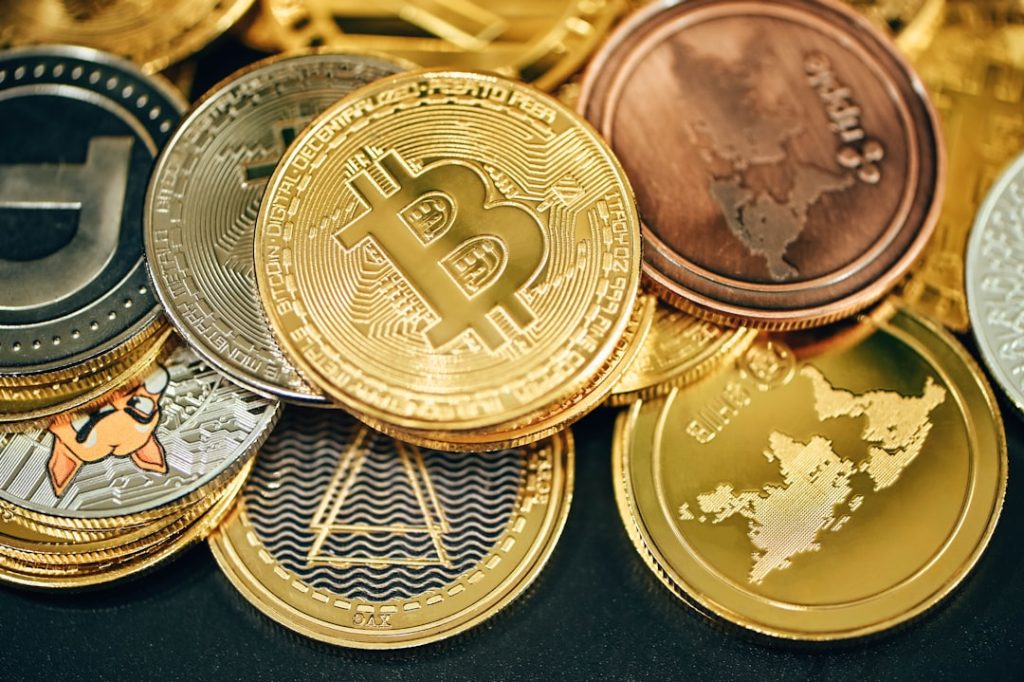
The growing adoption of dollar-backed digital currencies worldwide presents a fascinating opportunity for American monetary policy to extend its reach far beyond traditional borders. This development represents what I believe could be one of the most significant shifts in global financial dynamics we’ve witnessed in decades.
Federal Reserve Governor Christopher Waller recently highlighted how these blockchain-based currencies, which maintain their value by being pegged to the US dollar, could serve as powerful vehicles for amplifying American central bank policy decisions across international markets. This observation strikes me as particularly astute, given the current trajectory of digital asset adoption.
The Strategic Implications for Monetary Policy
What makes this development so compelling is how it could fundamentally alter the transmission mechanism of US monetary policy. When the Federal Reserve adjusts interest rates or implements quantitative easing measures, the effects have traditionally been somewhat contained by geographical and institutional boundaries. However, dollar-pegged digital currencies operating on global networks could change this dynamic entirely.
I think this presents enormous advantages for American policymakers who have long sought to maintain the dollar’s status as the world’s primary reserve currency. The proliferation of these digital assets essentially creates new pathways for dollar influence that bypass traditional banking systems and regulatory frameworks in other countries.

Who Benefits from This Shift
This trend particularly benefits US financial institutions and technology companies positioned to capitalize on the infrastructure supporting these digital currencies. American banks and payment processors stand to gain significantly from increased global dollar circulation, even in digital form.
Developing nations with unstable local currencies could also find substantial value in adopting dollar-backed digital alternatives. Citizens in countries experiencing hyperinflation or currency controls would likely welcome access to stable, dollar-denominated digital assets that can be stored and transferred without traditional banking intermediaries.
The Challenges and Limitations
However, I believe this development isn’t universally positive. Countries seeking to maintain monetary sovereignty may view the proliferation of dollar-backed digital currencies as a threat to their central bank authority. Nations like China and Russia, which have been actively working to reduce dollar dependence, would likely see this trend as counterproductive to their strategic objectives.
Furthermore, the regulatory landscape remains murky. While these digital currencies might extend US policy influence, they also operate in regulatory gray areas that could create systemic risks. The lack of comprehensive oversight mechanisms concerns me, particularly given the potential for rapid capital flows and market disruptions.

Market Dynamics and Future Outlook
The technical infrastructure supporting these dollar-pegged digital assets continues to evolve rapidly, with new platforms and protocols emerging regularly. This innovation cycle suggests that adoption will likely accelerate, particularly in regions where traditional banking services are limited or unreliable.
What I find most intriguing is how this could reshape international monetary cooperation. If dollar-backed digital currencies become sufficiently widespread, other central banks may need to reconsider their approaches to monetary policy coordination and currency intervention strategies.
The timing of these developments also seems particularly significant, coming as global economic uncertainties have heightened demand for stable store-of-value assets. The combination of technological advancement and economic instability creates what I see as ideal conditions for expanded adoption of these digital dollar alternatives.
Ultimately, this represents a unique moment where technological innovation aligns with geopolitical interests to potentially strengthen American monetary influence globally. Whether this proves beneficial or problematic will largely depend on how effectively regulators can balance innovation with stability while other nations navigate their responses to this evolving landscape.
Photo by Pierre Borthiry – Peiobty on Unsplash
Photo by André François McKenzie on Unsplash