
Global Aluminum Crisis: How Geopolitical Tensions and Trade Policies Are Reshaping Industrial Supply Chains
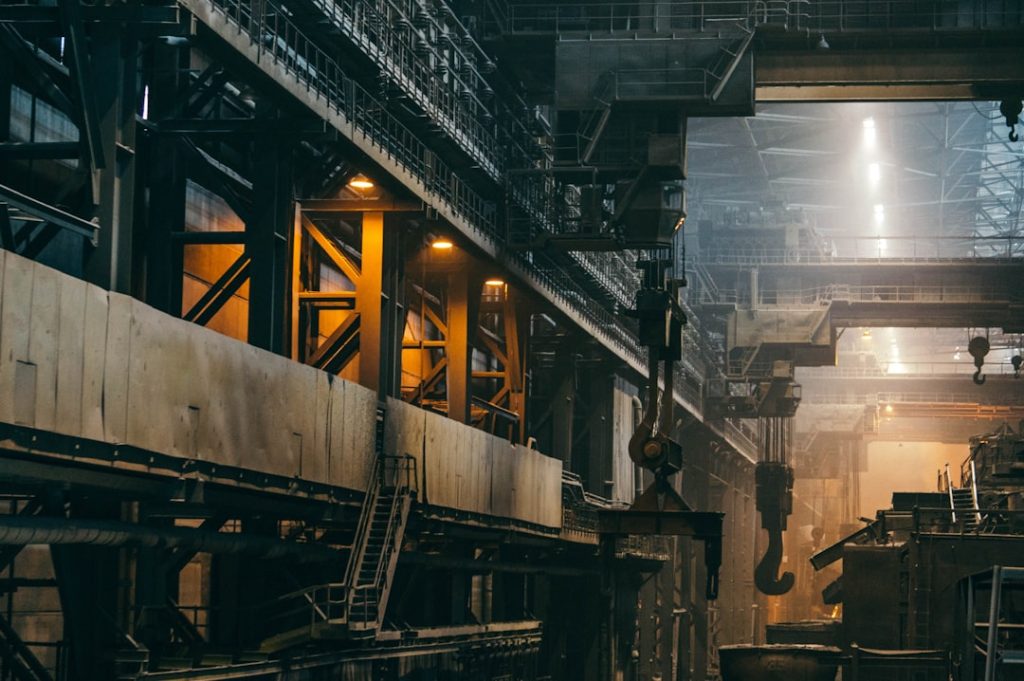
The international aluminum sector finds itself caught in a perfect storm of challenges that I believe will fundamentally reshape how manufacturers approach their supply chain strategies. What we’re witnessing isn’t just a temporary market fluctuation—it’s a structural shift that demands immediate attention from anyone involved in manufacturing or industrial production.
The convergence of Middle Eastern conflicts and escalating trade barriers has created a supply crunch that I think will have lasting implications far beyond current price volatility. When production facilities in the Gulf region face operational disruptions while simultaneously dealing with shipping route complications, the ripple effects extend globally in ways that many executives are still underestimating.
Who Should Be Paying Attention Right Now
This situation is particularly critical for mid-sized manufacturers who lack the negotiating power of industrial giants but can’t absorb cost increases like smaller boutique operations. Companies in automotive, aerospace, and technology sectors should be especially concerned, as their aluminum consumption patterns make them vulnerable to both price spikes and supply interruptions.

However, I believe this crisis presents opportunities for forward-thinking businesses. Companies that can quickly pivot to alternative suppliers or invest in recycling capabilities may find themselves with competitive advantages as traditional supply chains struggle.
The Real Winners and Losers
From my perspective, the businesses that will weather this storm best are those with diversified supplier networks and flexible production schedules. What’s becoming clear is that relying on single-source suppliers or just-in-time inventory models leaves companies extremely exposed during these types of disruptions.
The Canadian aluminum industry, represented by voices like Jean Simard from the Aluminium Association of Canada, appears positioned to benefit as North American buyers seek alternatives to traditional suppliers. Meanwhile, Asian markets face what industry leaders like Norsk Hydro’s Trond Christophersen describe as unprecedented physical supply challenges.

The Technology Sector’s Role
What makes this situation particularly interesting is the role of artificial intelligence infrastructure development. The surge in data center construction is creating new demand pressures that I think caught many suppliers off-guard. This isn’t just about traditional manufacturing anymore—it’s about supporting the digital transformation that’s reshaping our economy.
For smaller manufacturers like Minnesota’s Wolf Tooth Components, this represents an existential challenge. These companies often operate on thin margins and can’t easily pass increased costs to consumers without risking market position.
Strategic Implications Moving Forward
I believe we’re seeing the early stages of a broader decoupling in global supply chains that will accelerate regardless of how current geopolitical tensions resolve. Smart manufacturers should be using this crisis as a catalyst to reassess their entire procurement strategy.
The companies that will thrive are those investing in supply chain resilience rather than just efficiency. This means accepting higher baseline costs in exchange for reduced vulnerability to external shocks. It’s a fundamental shift from the lean manufacturing philosophy that dominated the past two decades.
The aluminum shortage isn’t just about one metal—it’s a preview of how geopolitical instability will increasingly disrupt global manufacturing in an interconnected world.
What concerns me most is that many businesses are treating this as a temporary adjustment rather than a permanent change in operating conditions. The intersection of trade policy, regional conflicts, and technological demand shifts suggests we’re entering a new era where supply chain volatility becomes the norm rather than the exception.
Photo by Ant Rozetsky on Unsplash
Photo by Clayton Cardinalli on Unsplash
Photo by Homa Appliances on Unsplash