
Miami Fashion School Graduates Showcase Diverse Design Vision at Major Industry Event
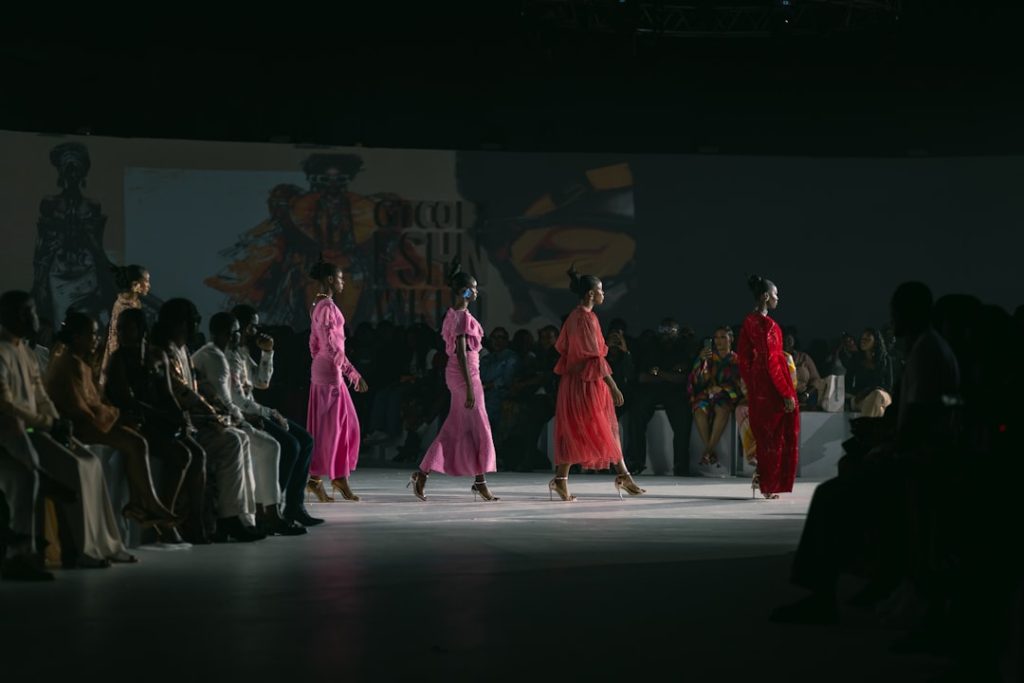
The fashion education landscape continues to evolve in fascinating ways, and what I witnessed at a recent graduate showcase in Miami’s Design District perfectly illustrates this transformation. Over 1,000 industry professionals, buyers, and fashion enthusiasts gathered to witness the next generation of designers present their final collections—and frankly, the results were more impressive than I expected from a relatively new institution.
What strikes me most about this particular school’s approach is how it successfully bridges European fashion methodology with the vibrant cultural melting pot that is Miami. This isn’t just another fashion program trying to replicate what’s happening in New York or Paris. Instead, it’s carving out its own identity, which I believe is exactly what the industry needs right now.
The evening’s theme, “La Grande Bellezza,” cleverly acknowledged the institution’s Italian heritage while celebrating the diverse perspectives of its graduating class. Mayor Daniella Levine Cava’s opening remarks highlighted something particularly significant—this marks the first international fashion school in the United States to achieve official accreditation. For prospective students and their families, this credential matters enormously and removes a major barrier that previously existed.
Standout Collections Demonstrate Sophisticated Design Thinking
The runway presentations moved seamlessly between menswear and womenswear, but what impressed me most was the conceptual sophistication these young designers displayed. Danna Anton’s “Fluid Void” collection explored the intersection of beauty and danger through sculptural evening wear that felt both wearable and artistic. This kind of conceptual depth typically takes years to develop, yet these students are already thinking at this level.

Sarah Berto’s motorsport-inspired tailoring caught my attention for its unexpected material combinations—leather, denim, and strategic red embellishments that transformed traditional suiting into something entirely fresh. For buyers looking for the next big thing in contemporary menswear, this approach feels particularly relevant given the current appetite for sportswear-influenced formal wear.
Mariana Jimenez’s workwear reimagining through rust-effect treatments and luxury embroidery represents exactly the kind of high-low mixing that resonates with today’s consumers. Meanwhile, Cristina Uribe’s architectural pieces incorporating Colombian craft techniques demonstrate how global fashion education can preserve cultural traditions while pushing creative boundaries.
Why This Matters for the Fashion Industry
What I find most compelling about this showcase is its timing and location. Miami has been steadily building its fashion credentials, and having a legitimate fashion school producing this caliber of work accelerates that process significantly. For students considering their educational options, this represents a genuine alternative to the traditional New York-Paris-London pipeline.
The presence of established industry figures like Karolina Kurkova signals that major fashion players are taking notice of what’s happening in Miami’s fashion scene. This isn’t just regional interest—it’s national and international recognition of a new creative hub.

However, I think it’s important to be realistic about who this educational path serves best. Students who thrive in diverse, multicultural environments and want to be part of building something new will find tremendous opportunity here. Those seeking the established networks and traditional prestige of century-old institutions might feel differently.
The Broader Implications
From my perspective, this graduate showcase represents something larger than individual student success—it’s evidence of fashion education’s geographic diversification. For too long, aspiring designers felt compelled to relocate to a handful of expensive cities to access quality fashion education. Programs like this one prove that excellent training can happen anywhere there’s vision and commitment.
The cultural richness of Miami, with its connections to North, South, and Central American design traditions, offers something unique that traditional fashion capitals simply cannot replicate. Students here aren’t just learning technique—they’re developing a distinct design perspective shaped by this particular cultural intersection.
For industry professionals, keeping an eye on emerging talent from non-traditional fashion centers like Miami makes increasingly good business sense. The designers showcased here demonstrated technical skill, conceptual sophistication, and cultural awareness that will serve them well in an increasingly global fashion marketplace.
Photo by Ben Iwara on Unsplash
Photo by Yogendra Singh on Unsplash
Photo by Armen Aydinyan on Unsplash