
Transforming a Vintage Pink Bathroom: How Retro Tiles Can Define Modern Design
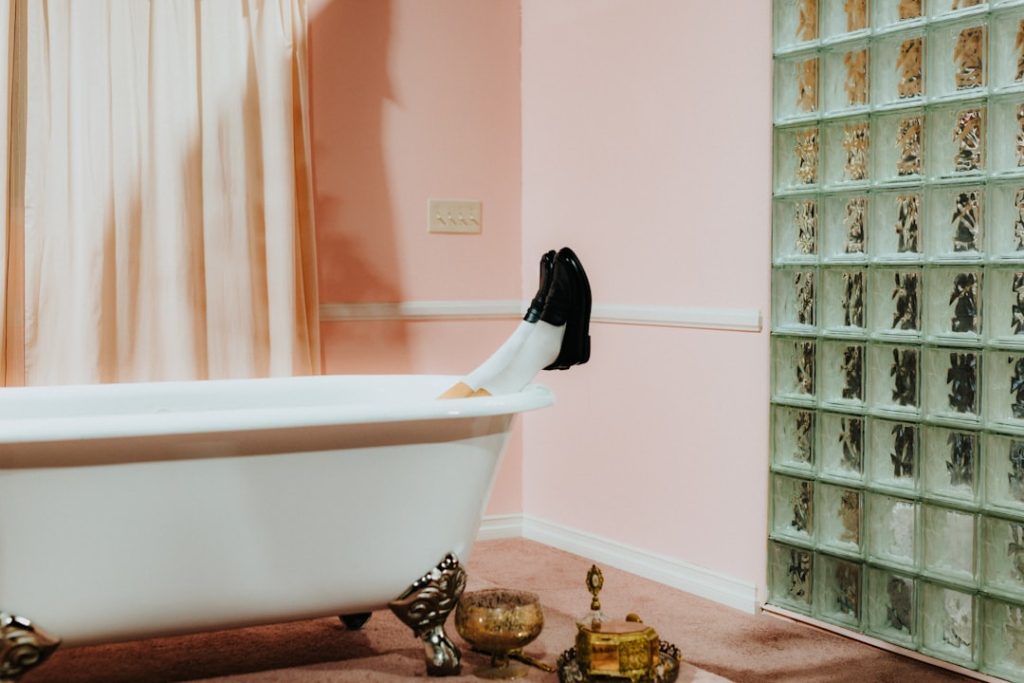
The challenge of working with existing vintage fixtures presents one of the most interesting dilemmas in home renovation. When homeowners discover original 1950s pink bathroom tiles, they face a critical decision: embrace the retro aesthetic or start fresh with contemporary materials.
In my view, preserving original mid-century elements represents far more than just cost savings—it’s about honoring architectural history while creating something genuinely unique. This approach isn’t for everyone, though. Homeowners seeking clean, minimalist spaces will likely find vintage pink tiles jarring and outdated.
The Art of Budget-Conscious Renovation
Working within a $500 renovation budget forces creative problem-solving that often yields superior results compared to unlimited spending. I believe constraints breed innovation, and this project exemplifies that principle perfectly. The decision to retain original pink tilework while introducing complementary colors demonstrates sophisticated design thinking.

However, this strategy specifically benefits those who appreciate bold, character-rich interiors. Conservative decorators or those planning to sell their homes quickly should probably avoid such distinctive color schemes, as they limit broad market appeal.
From Mid-Century to Miami Vice
The transformation from demure 1950s styling to vibrant 1980s Miami aesthetics represents a fascinating design evolution. This shift works because both eras share an appreciation for unapologetic color use, though their expressions differ dramatically.
What strikes me most about this approach is how it challenges conventional renovation wisdom. Rather than fighting against existing elements, smart designers work with them to create something entirely new. This mindset particularly suits creative individuals who view their homes as personal expression rather than investment vehicles.

Who Benefits from This Approach
This renovation strategy appeals most to:
- First-time homeowners working with limited budgets
- Creative professionals who appreciate unique design elements
- Those living in older homes with intact vintage features
- Individuals comfortable with non-traditional color palettes
Who Should Consider Alternative Approaches
This bold aesthetic isn’t suitable for:
- Homeowners planning near-term property sales
- Those preferring neutral, timeless design schemes
- Families needing highly functional, child-friendly spaces
- Anyone uncomfortable with attention-grabbing interiors
The success of this transformation ultimately depends on embracing imperfection and finding beauty in unexpected combinations. While not universally appealing, this approach offers valuable lessons about working creatively within constraints and respecting architectural heritage.
Photo by Macy Taylor on Unsplash