
Philippines Strengthens Military Partnerships Amid Regional Security Concerns
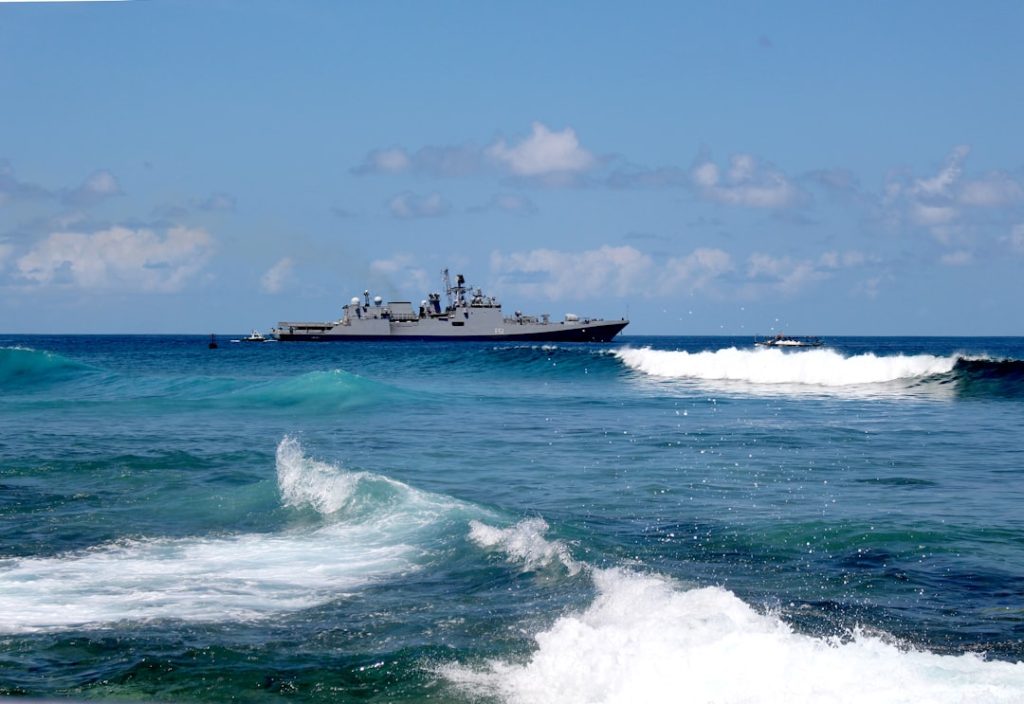
The Philippines is making a strategic pivot that I believe reflects the complex reality of modern Southeast Asian geopolitics. Defense Secretary Gilberto Teodoro recently outlined plans to deepen military cooperation with various allied nations, emphasizing the critical importance of collective deterrence in maintaining regional stability.
Speaking at the prestigious Shangri-La Dialogue in Singapore, Teodoro articulated a vision that frankly makes perfect sense given the current security landscape. The Philippines is positioning itself within a broader network of military partnerships, recognizing that isolated defense strategies simply don’t work in today’s interconnected world.
What strikes me most about this approach is its pragmatic nature. For a nation like the Philippines, which sits at the crossroads of major maritime trade routes, building robust military ties isn’t just advisable—it’s essential. The country’s geographic position makes it both strategically valuable and potentially vulnerable, depending on how effectively it manages its international relationships.

Strategic Implications for Regional Security
This military cooperation framework represents more than just defense agreements; it’s a comprehensive approach to regional stability that I think will resonate with many Southeast Asian nations facing similar challenges. The emphasis on deterrence through partnership reflects a mature understanding of how modern security threats operate.
For military strategists and defense analysts, this development offers valuable insights into how smaller nations can leverage collective security arrangements to enhance their defensive capabilities. The Philippines’ approach demonstrates that effective deterrence doesn’t necessarily require massive individual military buildups, but rather smart alliance-building.
Who Benefits from This Strategy
I believe this approach will particularly benefit nations that share similar security concerns and geographic vulnerabilities. Countries with significant maritime territories and trade dependencies will likely find the Philippines’ model instructive for their own strategic planning.

Defense contractors and military technology companies should also take note, as expanded cooperation typically translates into increased demand for interoperable systems and joint training programs. This creates opportunities for innovation in collaborative defense technologies.
However, I don’t think this strategy is suitable for every nation. Countries with different geopolitical alignments or those preferring more neutral stances might find this level of military integration constraining rather than empowering.
The Broader Context of Regional Dynamics
What’s particularly noteworthy about Teodoro’s statements is the timing and venue. The Shangri-La Dialogue serves as Asia’s premier defense summit, making it the perfect platform for announcing such strategic shifts. This wasn’t accidental—it signals serious intent to regional powers and potential partners alike.
From my perspective, this represents a calculated response to evolving security challenges in the South China Sea and broader Indo-Pacific region. The Philippines is essentially saying it won’t face these challenges alone, which is a smart diplomatic and military strategy.
The focus on collective deterrence also suggests a sophisticated understanding of modern conflict prevention. Rather than relying solely on bilateral relationships, the Philippines is building a multilateral security framework that I believe will prove more resilient and effective in the long term.
Photo by Alina Kacharho on Unsplash
Photo by Saifee Art on Unsplash