
Music Streaming Platform Ventures Into Audio Magazine Content With Mixed Results
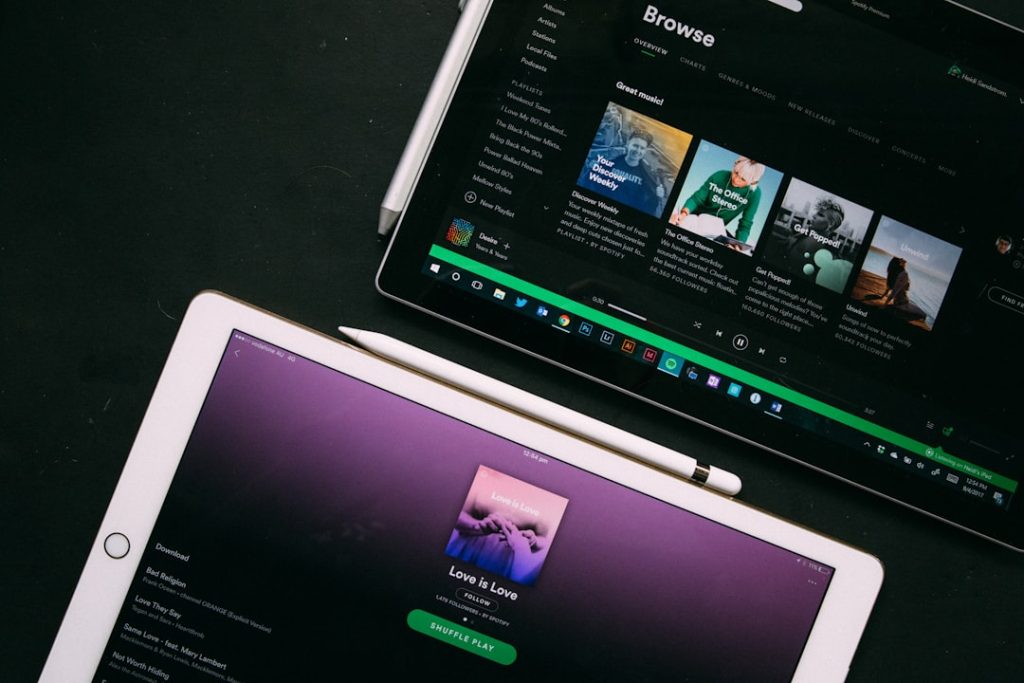
The evolution of digital music platforms continues to surprise, and frankly, not always in ways that benefit users. A major streaming service has announced its latest expansion beyond music into narrated magazine articles, marking yet another attempt to become an all-encompassing media platform. While innovation deserves recognition, I can’t help but question whether this particular move serves listeners or simply creates new revenue streams at their expense.
AI-Generated Audio Content Enters the Magazine Space
The streaming platform has partnered with prominent publications including The Atlantic, Billboard, GQ, Pitchfork, Rolling Stone, Vanity Fair, and WIRED to offer over 650 long-form articles in audio format. What’s particularly noteworthy is the hybrid approach to narration: some content features human voice actors, while artificial intelligence generates the audio for remaining pieces. The company promises to clearly label AI-generated portions, which I view as a necessary transparency measure in our increasingly automated media landscape.
From my perspective, this represents both an opportunity and a concerning trend. Quality journalism deserves wider distribution, and audio format can make complex articles more accessible to busy professionals or those with visual impairments. However, the reliance on AI narration raises questions about the authentic human connection that makes great storytelling compelling.
Premium Subscribers Face Reduced Value Proposition
Here’s where the business model becomes problematic for existing users. Premium subscribers receive access to these narrated articles, but there’s a significant catch: the content counts against their existing 15-hour monthly audiobook allowance. This means dedicated audiobook listeners will find their available time reduced by magazine content consumption. When that monthly limit expires, users must purchase additional hours.

This approach strikes me as particularly unfair to loyal customers who specifically subscribed for audiobook access. Rather than adding genuine value, the platform essentially forces users to choose between different types of audio content within the same paid tier. It’s a classic example of feature creep that diminishes existing service quality.
Free users face an even steeper barrier: $1.99 per article regardless of length. While supporting quality journalism matters, this pricing structure could quickly exceed the cost of direct magazine subscriptions for regular readers.
Superior Alternatives Exist for Savvy Consumers
Before committing to this new service, consider existing alternatives that deliver better value. Most modern devices include built-in text-to-speech functionality that can narrate any accessible article at no additional cost. Whether using Mac’s Speech feature or iPhone’s Speak function, users can convert written content to audio without subscription fees or time limits.
I strongly advocate for this approach, particularly when combined with direct publication support. Rather than paying premium prices for curated audio content, readers can subscribe directly to their favorite magazines and use free text-to-speech tools for audio consumption. This method supports journalism more effectively while providing unlimited access to publication archives.

The quality of modern text-to-speech has improved dramatically thanks to AI advancements, often rivaling professionally narrated content. For most users, the slight difference in audio quality doesn’t justify the significant cost premium.
Who Benefits From This Service Model
This feature primarily serves casual content consumers who rarely use audiobook services and don’t mind paying premium prices for convenience. Busy executives or commuters might find value in professionally curated audio magazine content during limited listening windows.
However, I believe most users would benefit more from alternative approaches. Regular audiobook listeners should avoid this service entirely to preserve their existing monthly allowances. Budget-conscious consumers can achieve similar results using free tools while supporting publications directly through traditional subscriptions.
The streaming platform’s expansion strategy reflects broader industry trends toward platform consolidation, but consumers shouldn’t feel obligated to embrace every new feature. Sometimes the best innovation is recognizing when existing solutions already meet your needs effectively and economically.
Photo by Heidi Fin on Unsplash
Photo by Jacob Padilla on Unsplash