
The Truth About Flexible Plastic Waste: Why Your Good Intentions Are Backfiring
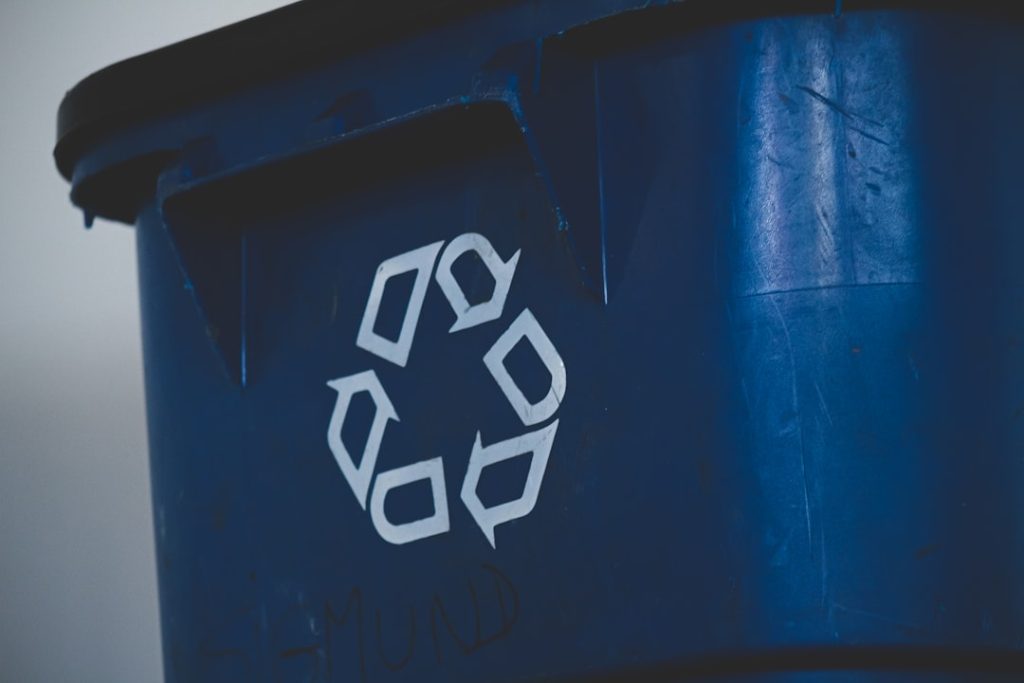
I’ll be blunt: most people are handling flexible plastic waste completely wrong, and their well-intentioned efforts are actually making the problem worse. If you’ve been tossing grocery bags into your curbside recycling bin thinking you’re helping the planet, you’re not just wasting your time—you’re actively sabotaging the recycling process.
Here’s what really frustrates me about this issue: we’re drowning in soft plastics—shopping bags, food wrapping, bubble packaging—yet the systems to handle them properly are either poorly understood or completely inadequate. These materials stick around for centuries when dumped in landfills, breaking down into microplastics that contaminate our soil and water. In 2018, over 3 million tons of these flexible plastics ended up buried in U.S. landfills alone.
But here’s the kicker that really gets me: when you put these materials in your regular recycling bin, you’re not just failing to recycle them—you’re potentially shutting down entire recycling operations. Chemical engineering expert Erha Andini puts it perfectly: these stretchy materials clog up recycling machinery, forcing expensive shutdowns and repairs.
Who This Really Affects (And Who’s Ignoring the Problem)
This issue hits hardest for environmentally conscious consumers who genuinely want to do the right thing but lack clear guidance. Meanwhile, major corporations and oil-producing nations continue blocking meaningful restrictions on plastic production, leaving individuals to navigate this mess alone.
The reality is that global plastic production shows zero signs of slowing down, with recent treaty negotiations stalling thanks to industry resistance. This means the burden falls disproportionately on consumers to figure out proper disposal—a frustrating situation that shouldn’t exist in the first place.

The Real Solution Nobody Talks About
Here’s what actually works, and why most people get it wrong: you need to completely separate your thinking about flexible plastics from regular recycling. These materials require dedicated drop-off locations, typically found at grocery stores and retail chains.
Gary Dusek from Precious Plastic NYC makes an excellent point about volume—even small individual actions genuinely move the needle when multiplied across communities. But this only works if people understand the system.
The key identifier is flexibility itself. If you can scrunch it up in your hand—bread bags, produce bags, shipping envelopes—it probably needs special handling. Look for recycling symbols with numbers 2 or 4, which indicate polyethylene plastics that specialized facilities can actually process.
What Actually Gets Recycled (And What Doesn’t)
This is where things get interesting: simple, single-layer plastics with clear numbering can often be transformed into useful products like outdoor decking. Companies like Trex have built entire business models around this concept, providing store locators to help people find proper drop-off points.
But here’s what nobody tells you: complex, multi-layer films—like the stuff wrapped around fresh meat—are essentially impossible to recycle effectively. These materials combine different plastic types that can’t be separated, making them recycling dead-ends.

Who Benefits From Better Practices
Smart consumers who take five minutes to understand proper disposal methods will see their efforts actually make a difference instead of creating problems. Local recycling facilities benefit enormously when people stop contaminating regular recycling streams with problematic materials.
Creative organizations and makerspaces are finding innovative ways to repurpose these materials—turning them into art supplies, furniture, and practical items through community programs and online tutorials.
The Bigger Picture Nobody Wants to Address
What really matters here isn’t just proper disposal—it’s reducing dependence on these materials entirely. This means choosing loose produce over pre-packaged items, bringing reusable bags consistently, and supporting businesses that minimize plastic packaging.
I find it telling that while individual consumers stress about proper disposal, the fundamental issue—massive overproduction of unnecessary plastic packaging—gets far less attention. The most effective strategy combines proper disposal of unavoidable plastics with aggressive reduction of new plastic consumption.
Even simple reuse extends the lifecycle of materials you already have. Using grocery bags multiple times, repurposing them as trash liners, or finding creative household applications keeps them productive longer before final disposal.
The bottom line is this: perfect solutions don’t exist yet, but informed action beats ignorant good intentions every time. Understanding the difference between wishful thinking and effective practice makes your environmental efforts actually count for something.
Photo by Compagnons on Unsplash
Photo by Nareeta Martin on Unsplash
Photo by Possessed Photography on Unsplash