
Medieval Fortress Falls as Middle Eastern Military Operations Intensify
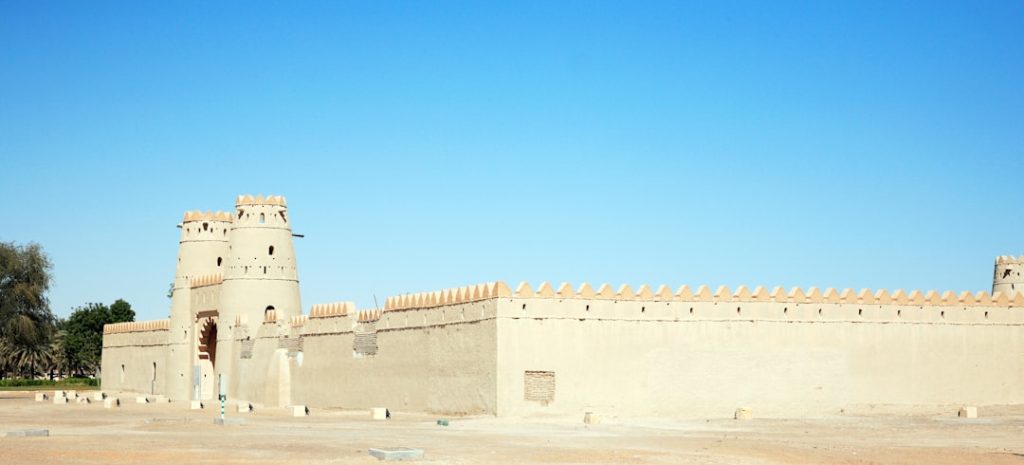
The capture of a 12th-century hilltop fortress marks a significant escalation in ongoing military operations in the region, as forces push deeper into contested territory. This development represents more than just tactical advancement—it’s a symbolic moment that underscores how modern conflicts continue to unfold across landscapes steeped in centuries of strategic importance.
The seizure of this Crusader-era stronghold comes at a time when political leadership has authorized an expanded offensive campaign against militant organizations operating in the area. What strikes me most about this development is how it demonstrates the enduring strategic value of ancient military positions, even in an age of advanced weaponry and satellite surveillance.
Historical Significance Meets Modern Warfare
This particular fortress, constructed during the medieval period, has witnessed countless military campaigns throughout its nearly nine-century existence. The fact that it remains militarily relevant today speaks volumes about the timeless principles of strategic positioning and terrain advantage. For military historians and strategists, this capture offers fascinating insights into how geographical features continue to shape modern combat operations.

I believe this development will be particularly significant for defense analysts studying asymmetric warfare patterns. The symbolic weight of capturing such a historically important position cannot be understated—it sends a clear message about territorial control and military capability that extends far beyond the immediate tactical benefits.
Broader Regional Implications
The expanded offensive represents a calculated escalation that will likely reshape the regional security landscape. For neighboring countries and international observers, this intensification signals a new phase in ongoing conflicts that have already disrupted millions of lives across the region.
What concerns me most is how this escalation affects civilian populations caught in the crossfire. While military strategists focus on tactical advantages and territorial gains, the human cost of such operations often receives insufficient attention. Humanitarian organizations and aid workers will find themselves dealing with increasingly complex challenges as military operations expand into new areas.

Regional powers watching these developments must now recalibrate their own security assessments and diplomatic strategies. This isn’t just a localized conflict anymore—it’s becoming a broader test of regional stability and international intervention capabilities.
Strategic Assessment and Future Outlook
From a purely military perspective, the capture of elevated defensive positions like this medieval fortress provides significant advantages for surveillance, communications, and fire control. However, I question whether such territorial gains translate into lasting strategic victories or merely create new vulnerabilities that require constant resource allocation to maintain.
For defense contractors and military technology companies, these developments highlight the ongoing demand for advanced surveillance systems, fortification technologies, and urban warfare equipment. The integration of modern military technology with ancient defensive positions creates unique operational requirements that drive innovation in the defense sector.
Intelligence professionals will be closely analyzing how this operation was conducted, seeking insights into evolving tactical doctrines and operational capabilities. The success or failure of such operations often influences military planning and procurement decisions across multiple countries.
Looking ahead, I believe this escalation will test the resolve and capabilities of all parties involved. The capture of historically significant positions like this Crusader fortress may provide short-term tactical advantages, but the long-term implications for regional stability remain deeply uncertain. The challenge now lies in determining whether such military gains can be converted into sustainable political solutions—a task that has proven elusive in this troubled region for decades.
Photo by Saj Shafique on Unsplash
Photo by Annie Spratt on Unsplash