
Fifth-Generation Smart Ring Launches with Ultra-Thin Design and Advanced Health Features
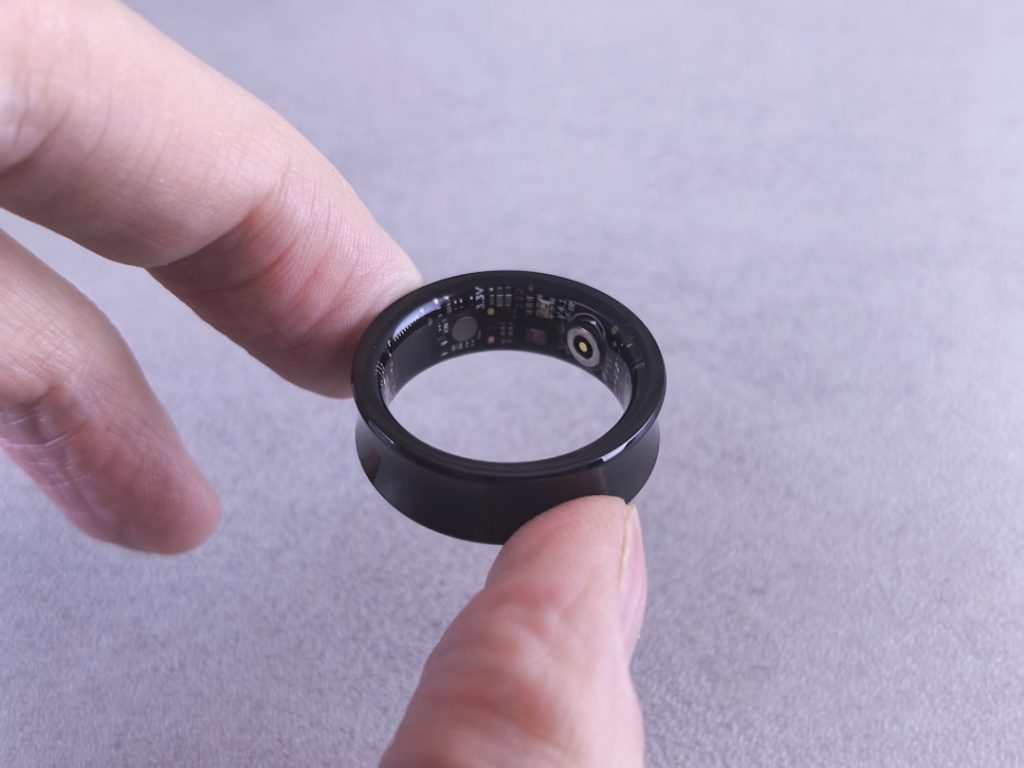
The wearable technology market has just welcomed its newest player with the launch of a fifth-generation smart ring that promises to be the thinnest device in its category. Set to begin shipping in early June, this latest iteration represents what I believe is a significant step forward in making smart rings more wearable and less intrusive for everyday use.
At just 6mm in width, this new device claims the title of thinnest smart ring available, a notable achievement that addresses one of my biggest complaints about wearable rings – their bulky appearance compared to traditional jewelry. Having tested various smart rings over the years, I can confirm that thickness has been a persistent issue. Previous generations typically measured around 8mm, while competing devices hover around 7mm. This 2mm reduction might seem minimal, but it makes a substantial difference in comfort and aesthetics for daily wear.
Pricing Strategy Reflects Premium Positioning
The pricing structure reveals an interesting approach to market positioning. Basic colors are priced at $399, while premium finishes command $499 – a strategy that makes sense for a company targeting both budget-conscious consumers and luxury buyers. The monthly subscription model at $5.99 continues the trend of recurring revenue that I find somewhat concerning for consumers who simply want to own their device outright.
What strikes me as particularly relevant is who this device serves best. This isn’t for casual fitness enthusiasts who occasionally check their step count – it’s designed for serious health monitoring devotees who want comprehensive biometric tracking without the bulk of a smartwatch. However, those seeking basic fitness tracking might find the subscription requirement off-putting.

Hardware Changes Signal Practical Improvements
The sizing adjustments tell an interesting story about user feedback and manufacturing realities. The size range has narrowed from 4-15 to 6-13, which suggests the company is focusing on the most common finger sizes rather than trying to accommodate everyone. This makes business sense, though it unfortunately excludes users with very small or large fingers.
The return of sensor bumps on the interior, albeit smaller ones, indicates that the previous generation’s smooth design may have compromised sensor accuracy. This is exactly the kind of iterative improvement I appreciate – prioritizing function over form when necessary. However, the incompatibility with previous charging accessories feels like a cash grab that will frustrate existing users.
Software Features Target Serious Health Monitoring
The new Health Radar functionality represents where I think smart rings truly shine – passive health monitoring that doesn’t require active engagement. The ability to detect potential breathing disturbances and blood pressure irregularities could be genuinely valuable for people with undiagnosed conditions. This isn’t about replacing medical professionals, but rather providing early warning systems that prompt users to seek proper medical attention.
The partnership with sleep technology companies and focus on GLP-1 medication tracking reveals the target demographic clearly: health-conscious individuals managing chronic conditions or serious fitness goals. This isn’t a device for teenagers wanting to track their daily steps – it’s for adults who view health monitoring as a serious investment.

What concerns me is the potential for false positives and health anxiety. While early detection capabilities are valuable, they could also create unnecessary worry for users who receive alerts about potential issues that turn out to be nothing.
Market Position and Consumer Considerations
This device positions itself firmly in the premium health monitoring space, competing more with medical-grade devices than casual fitness trackers. For individuals managing sleep disorders, cardiovascular concerns, or metabolic health issues, the investment could prove worthwhile. The continuous monitoring capabilities offer insights that periodic doctor visits simply cannot match.
However, I believe this device isn’t suitable for everyone. Casual users seeking basic activity tracking would be better served by more affordable alternatives. The subscription model and premium pricing make this a significant ongoing investment that only makes sense for users who will actively engage with the detailed health data provided.
The ultra-thin design addresses the biggest barrier to smart ring adoption – comfort and appearance. If the company has truly achieved the claimed thickness reduction without compromising battery life or sensor accuracy, this could finally make smart rings mainstream accessories rather than niche gadgets.
Photo by Andrey Matveev on Unsplash