
Rising Comedy Star Reflects on Career Growth and Breaking Personal Barriers
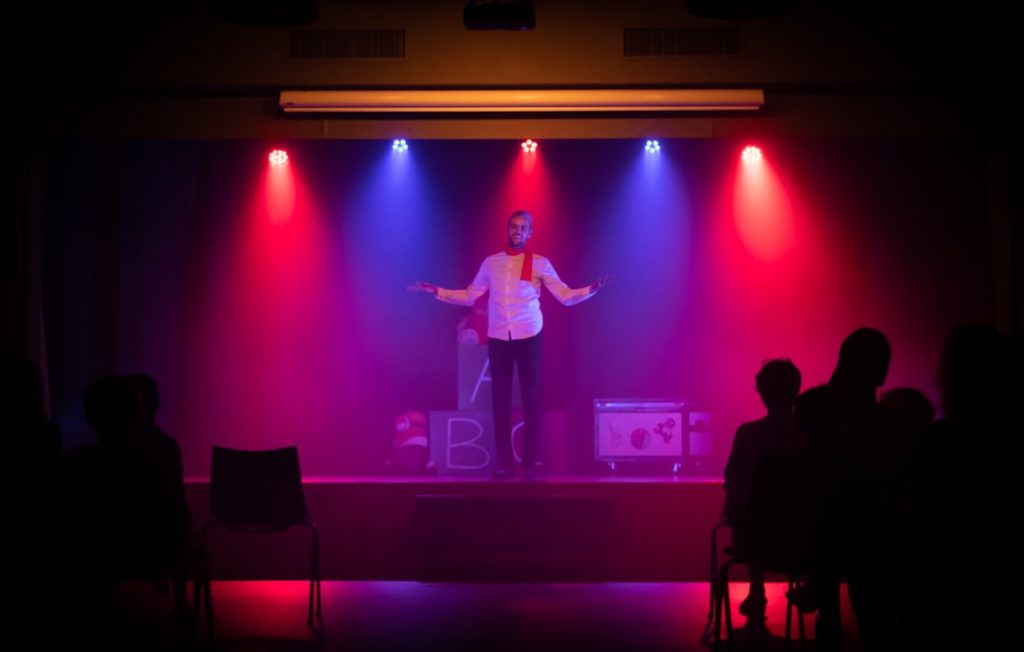
The entertainment industry has witnessed a remarkable transformation in one young performer’s journey from obscurity to prominence. At 31, this comedian has navigated the challenging transition from stand-up stages to television stardom, embodying the very narrative arc that resonates with so many aspiring artists today.
What strikes me most about this trajectory is how it mirrors the broader shift in comedy toward more authentic, vulnerable storytelling. This isn’t just another rags-to-riches tale—it’s a masterclass in how genuine artistic growth happens when performers are willing to push beyond their comfort zones.
Early Influences and Physical Comedy Mastery
The foundation of great comedic performance often traces back to childhood inspirations, and in this case, Jim Carrey’s influence proved transformative. The connection between hyperactive energy and physical expression speaks to something I find crucial in comedy: the ability to channel personal quirks into artistic strengths.
This approach benefits performers who understand that their perceived weaknesses might actually be their greatest assets. However, it’s not for everyone—some comedians thrive on verbal wit rather than physical expression, and that’s equally valid.
Industry Relationships and Mentorship
The comedy world’s predatory practices, particularly those exploitative “bringer shows,” represent everything wrong with how newcomers are treated in entertainment. These pay-to-play schemes prey on desperation and should be universally condemned.
What’s refreshing is hearing about genuine mentorship cutting through this toxic landscape. When established performers recognize talent and offer real opportunities without exploitation, it demonstrates the industry at its best. This matters enormously for emerging artists who need guidance, not financial manipulation.

Professional Growth Through Challenging Roles
The evolution from stand-up comedian to television performer represents a significant leap that many struggle to make successfully. What’s particularly interesting is how the character development process can parallel personal growth—a phenomenon that benefits actors willing to embrace vulnerability but can overwhelm those unprepared for such intense self-examination.
The intergenerational dynamic explored in quality television programming serves a vital cultural function. We need more content that bridges generational gaps rather than exploiting them for cheap laughs. This approach benefits audiences seeking meaningful connection but may disappoint viewers looking for simple entertainment.
The Loneliness of Professional Comedy
The isolation experienced by professional comedians is rarely discussed openly, yet it’s fundamental to understanding the industry. Comedy requires a specific wavelength that can make social interaction outside the profession genuinely difficult.
I believe this speaks to a larger issue about specialized creative work—the deeper you go into any artistic discipline, the harder it becomes to relate to people outside that world. This reality benefits those who find their creative tribe but can be devastating for performers who struggle with social connection.
Authentic Chemistry in Performance
The assertion that on-screen chemistry cannot be manufactured rings absolutely true in my experience. Either performers connect naturally, or they don’t—no amount of coaching or direction can create that spark artificially.
This reality benefits casting directors who trust their instincts over conventional wisdom, but it can frustrate producers hoping to force chemistry between marketable stars who simply don’t mesh.

Setting Professional Boundaries
The contradiction of simultaneously saying yes and no to overwhelming oneself reveals a sophisticated understanding of professional growth. The best artists push their boundaries while maintaining core principles—a balance that’s incredibly difficult to achieve.
This approach works for established performers with enough leverage to make choices, but emerging artists often lack this luxury. The industry demands sacrifice, but knowing when to draw lines separates sustainable careers from burnout casualties.
Future Collaborations and Career Direction
The desire to work with veteran performers like Susan Sarandon and Julianne Moore demonstrates smart career thinking. These collaborations offer learning opportunities that can’t be replicated through any other means.
However, I worry when young performers focus too heavily on dream collaborations rather than building their own distinctive voice. The goal should be becoming someone others want to work with, not just working with established names.
Technology and Cultural Trends
The vision of abandoning cell phones for a return to landlines and stationary computers represents more than nostalgia—it’s a recognition of how technology has fundamentally altered human connection.
While I appreciate this perspective, I think it’s somewhat naive about technology’s benefits. The challenge isn’t eliminating phones but learning to use them intentionally. Still, the underlying concern about digital overwhelm is completely valid and deserves serious consideration.
This performer’s journey illustrates how authentic artistic growth requires constant boundary-pushing while maintaining core values. It’s a path that benefits those willing to embrace vulnerability and challenge, but it’s not suitable for everyone in the entertainment industry.
Photo by Michel Grolet on Unsplash
Photo by eliza petrovska on Unsplash
Photo by Melyna Valle on Unsplash