
The Power of Invisible Days: Why Disconnecting Could Transform Your Well-being
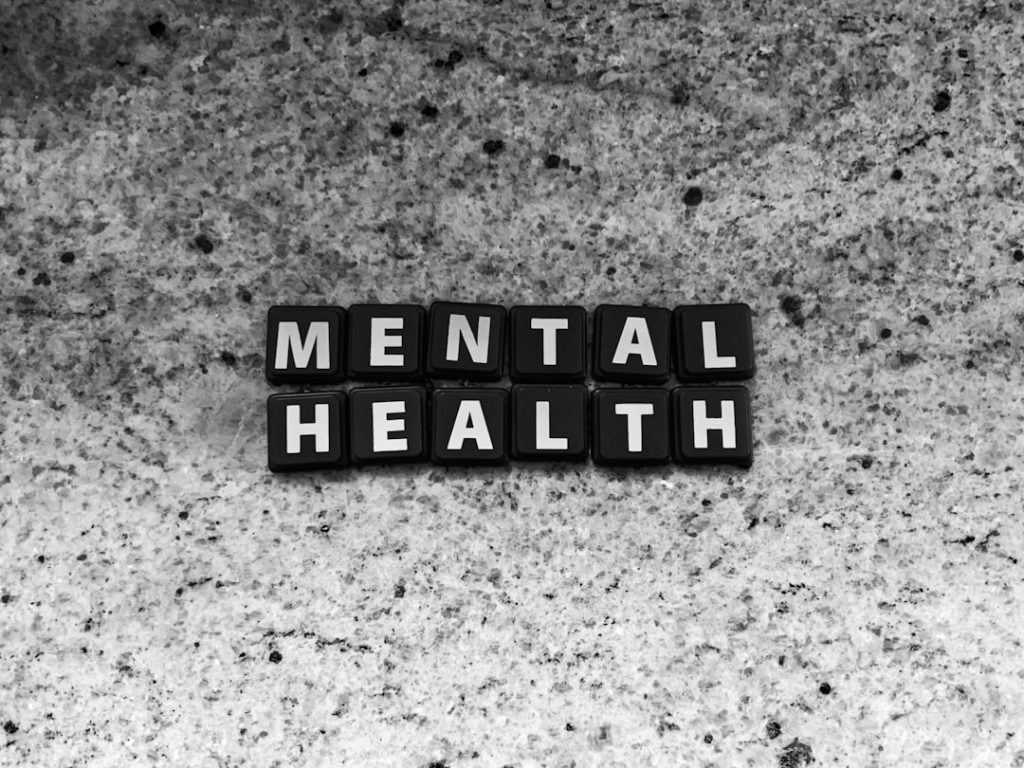
In our hyperconnected world, the concept of taking “invisible days” — periods where you deliberately disconnect from digital communication and social obligations — is gaining traction as a mental health strategy. I believe this practice represents one of the most underutilized tools for managing modern stress, though it’s certainly not for everyone.
What Are Invisible Days?
An invisible day involves intentionally stepping away from phones, social media, emails, and even in-person social commitments for a designated period. Think of it as a digital detox combined with social hibernation. The goal is to create space for genuine rest and introspection without the constant pull of external demands.
From my perspective, this practice addresses a critical problem: we’ve become so accustomed to being “on” all the time that we’ve forgotten what genuine downtime feels like. The constant ping of notifications and social expectations creates a low-level stress that many people don’t even recognize anymore.
Who Benefits Most from This Practice
I think invisible days are particularly valuable for people in high-stress jobs, parents juggling multiple responsibilities, and anyone who feels constantly overwhelmed by digital communication. If you find yourself checking your phone compulsively or feeling anxious when you’re not immediately responsive to messages, this practice could be transformative.

However, this approach isn’t suitable for everyone. People with certain job responsibilities, caregivers for elderly or sick family members, or those in crisis situations may find complete disconnection impractical or even irresponsible. The key is adapting the concept to your specific circumstances.
The Measurable Benefits
Research consistently shows that digital breaks can reduce cortisol levels, improve sleep quality, and enhance focus. What I find most compelling is how people report feeling less reactive and more emotionally regulated after implementing this practice. The constant stimulation of modern life keeps our nervous systems in a heightened state, and invisible days provide necessary recovery time.
Many practitioners notice improved sleep patterns, which makes perfect sense. The blue light from screens and the mental stimulation from social media can significantly disrupt circadian rhythms. By eliminating these factors for a full day, you’re giving your brain the opportunity to naturally wind down.
Practical Implementation Strategies
Starting with shorter periods is crucial — I’d recommend beginning with just a few hours rather than jumping into a full day. This gradual approach helps you identify potential obstacles and adjust your strategy accordingly.

Set clear boundaries with family, friends, and colleagues about your unavailability during these periods. Most people are surprisingly understanding when you explain the mental health benefits. Consider using auto-reply messages that explain you’re taking a planned break and will respond within 24-48 hours.
Why This Matters Now More Than Ever
I believe we’re experiencing an unprecedented level of digital overwhelm that previous generations never had to navigate. The expectation of constant availability is relatively new in human history, and our brains haven’t evolved to handle this level of stimulation. Invisible days represent a deliberate pushback against this cultural shift.
What’s particularly important is that this practice helps people rediscover activities and thoughts that emerge naturally when we’re not constantly distracted. Many people report having creative insights, processing emotions more effectively, or simply enjoying activities they’d forgotten they loved.
The bottom line is this: if you’re feeling chronically stressed, overwhelmed, or disconnected from yourself, invisible days could be exactly what you need. But if you thrive on constant connection and genuinely enjoy being highly available to others, forcing yourself into isolation might create more stress than benefit. The key is honest self-assessment about what your mind and body actually need.
Photo by Marcel Strauß on Unsplash
Photo by Elisa Ventur on Unsplash
Photo by Angelina Sarycheva on Unsplash