
The Hidden Art of Security Envelope Patterns: A Study in Functional Design
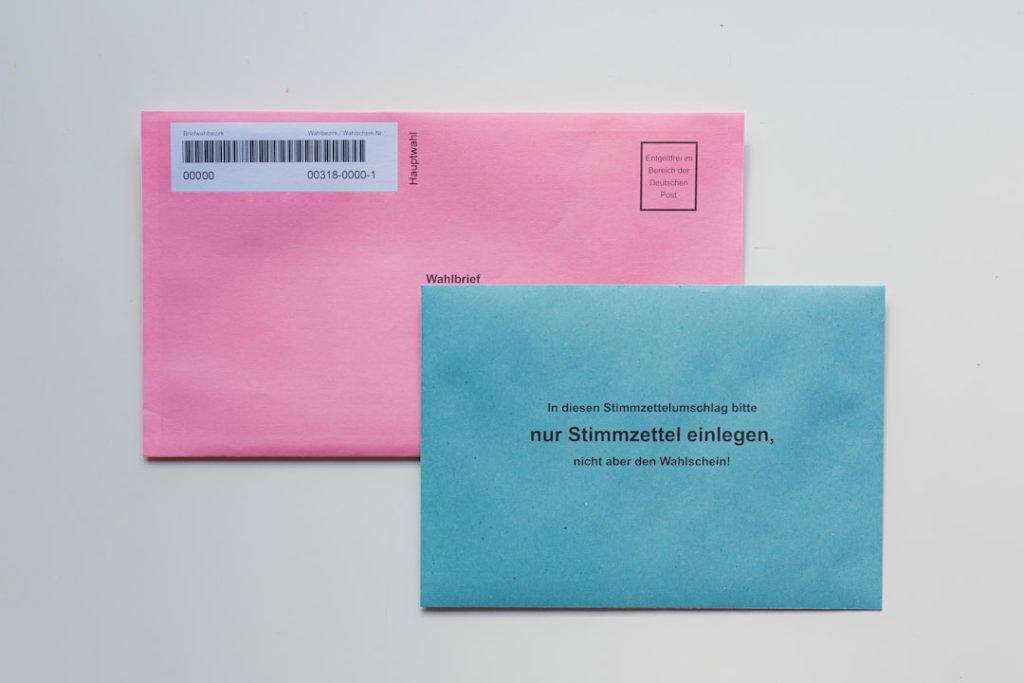
Security envelope patterns represent one of the most overlooked examples of functional design in our daily lives. These intricate geometric designs, printed on the interior of confidential mail envelopes, serve a crucial purpose that many people never consider: preventing unauthorized viewing of sensitive documents through the envelope material.
The Engineering Behind Privacy Protection
What I find fascinating about these patterns is how they solve a fundamental security problem through pure visual design. The complex, repetitive motifs—often featuring interlocking shapes, geometric tessellations, or abstract patterns—create optical interference that makes it virtually impossible to read text through the envelope when held up to light.

The “Lemon Escher Cubes” pattern exemplifies this principle perfectly. Its three-dimensional pale yellow cubic design creates multiple layers of visual confusion, ensuring that even the most determined individual cannot decipher the contents within. This particular pattern draws inspiration from mathematical tessellation principles, creating an endless repeat that effectively scrambles any text beneath.
Who Benefits from Understanding This Design
In my opinion, this knowledge is particularly valuable for several groups. Graphic designers and security professionals should absolutely understand these principles, as they represent the intersection of aesthetics and functionality. Financial institutions, legal firms, and healthcare organizations that regularly handle sensitive correspondence would benefit from appreciating why these patterns matter for their document security protocols.

However, I don’t think the average consumer needs to obsess over these details. For most people, simply recognizing that these patterns exist for security purposes is sufficient.
The Broader Implications of Functional Design
What strikes me most about security envelope patterns is how they demonstrate that effective design doesn’t need to be beautiful to be successful. These patterns prioritize function over form, yet many achieve an unexpected aesthetic appeal through their mathematical precision and repetitive nature.
This approach matters because it challenges our assumptions about design priorities. While we often focus on making things visually appealing, security envelope patterns prove that sometimes the primary goal should be pure functionality—in this case, protecting privacy through visual obfuscation.
For businesses handling confidential information, investing in quality security envelopes with effective patterns isn’t just about compliance—it’s about demonstrating genuine commitment to client privacy. In an era where data breaches make headlines regularly, these simple paper-based security measures remain surprisingly relevant and effective.
Photo by Bianca Ackermann on Unsplash